

The Ins and Outs of Beekeeping: Pros, Cons, Flow Hive Benefits, and Hive Threats to Consider
Beekeeping has grown from a niche hobby into a popular activity for many who want to connect with nature, support pollination, and harvest their own honey. Yet, like any hobby, it comes with its challenges and rewards. This post explores the advantages and disadvantages of beekeeping, highlights the benefits of using a flow hive, and explains what threats to watch for to keep your hive healthy.
Pros of Beekeeping
Beekeeping offers several benefits that attract hobbyists and professionals alike:
Supports local ecosystems
Bees are essential pollinators. Keeping bees helps maintain plant diversity and supports gardens and farms nearby.
Harvest fresh honey
One of the most rewarding parts of beekeeping is collecting your own honey. It’s pure, natural, and can be customized by the flowers your bees visit.
Educational and therapeutic
Beekeeping teaches patience, observation, and responsibility. Many find working with bees calming and a great way to reduce stress.
Contributes to bee conservation
With bee populations declining worldwide, hobbyist beekeepers help sustain colonies and raise awareness about the importance of bees.
Potential income source
Beyond honey, beekeepers can sell beeswax, propolis, and even queen bees or nucs (small starter colonies).
Cons of Beekeeping
Despite the benefits, beekeeping requires commitment and has some downsides:
Time and effort
Bees need regular inspections, especially during spring and summer. Neglect can lead to hive collapse.
Initial costs
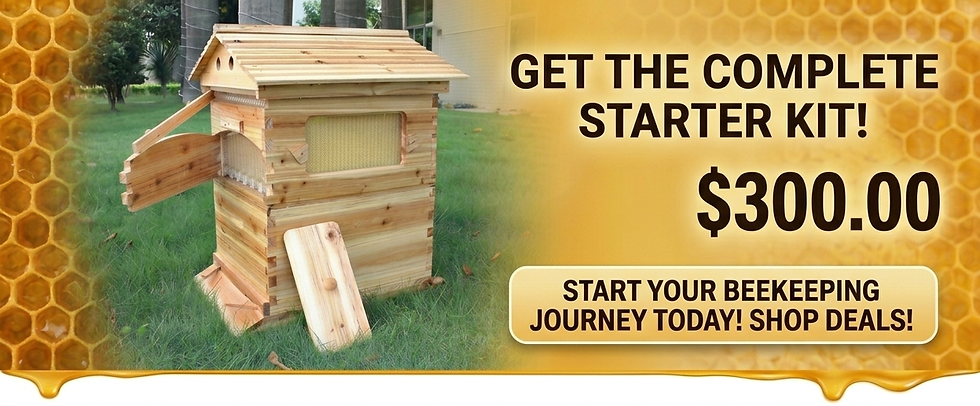
Equipment like protective gear, hives, smokers, and tools can add up. Flow hives, in particular, have a higher upfront price.
Risk of stings
Even with protective clothing, stings happen. They can be painful and dangerous for people with allergies.
Seasonal limitations
Beekeeping is mostly active during warmer months. In colder climates, hives need winter preparation and monitoring.
Pests and diseases
Managing threats like Varroa mites and other parasites requires knowledge and sometimes chemical treatments.
Benefits of a Flow Hive
Flow hives have changed the way many hobbyists harvest honey. This innovation offers several advantages:
Easy honey extraction
Flow hives use specially designed frames that allow honey to flow out directly into jars without opening the hive or disturbing the bees.
Less stress on bees
Traditional honey harvesting involves removing frames, brushing bees off, and using extractors. Flow hives reduce this disruption.
Cleaner process
Since honey flows out through taps, there is less mess and lower risk of contamination.
Great for beginners
The simplified harvesting process makes beekeeping more accessible to those new to the hobby.
Encourages hive observation
Flow hives often have transparent panels, allowing beekeepers to watch honey production without opening the hive.
Despite these benefits, flow hives still require regular hive management and monitoring for health issues.
What to Look for When It Comes to Threats to the Hive
Keeping bees healthy means staying alert to common threats. Here are some key dangers and what to watch for:
Varroa Mites
Varroa mites are one of the most serious threats to honeybee colonies worldwide. These tiny parasites attach to bees and weaken them by feeding on their bodily fluids.
Signs of infestation
Look for deformed wings, weakened bees, and increased mortality. Sticky boards placed under the hive can help detect mite levels.
Control methods
Treatments include organic acids, essential oils, and chemical miticides. Integrated pest management combining multiple strategies works best.
Other Pests and Diseases
Small hive beetles
These beetles lay eggs in the hive, and their larvae damage comb and honey.
Wax moths
Larvae tunnel through wax comb, destroying brood and honey stores.
Foulbrood diseases
Bacterial infections like American and European foulbrood can devastate colonies. Look for discolored brood and foul smells.
Environmental Threats
Pesticides
Exposure to certain chemicals can harm bees or contaminate honey.
Poor nutrition
Lack of diverse forage weakens colonies.
Extreme weather
Cold snaps, drought, or heavy rain can stress bees.
Regular hive inspections and good management practices help detect and reduce these risks.
Final Thoughts on Beekeeping and Hive Care
Beekeeping offers a unique blend of rewards and challenges. The joy of harvesting your own honey and supporting local ecosystems can be deeply satisfying. Flow hives make honey collection easier and less disruptive, opening the hobby to more people. Still, success depends on regular care and vigilance against threats like Varroa mites and other pests.


Comments